

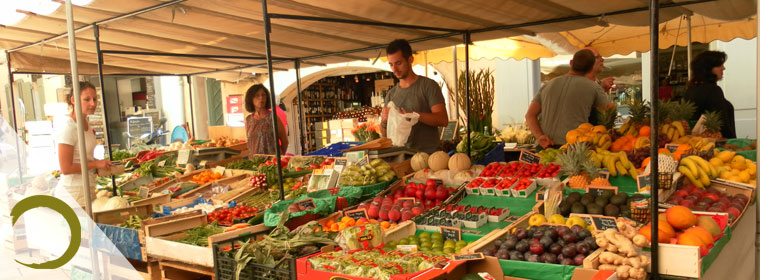
Let’s take a look at the grocery store of the future . . . a tomato the size of a watermelon, a lime the shape of an apple. Or how about a cucumber and a broccoli combined—brocumber! This is where we may be headed with the continued production of GMO foods.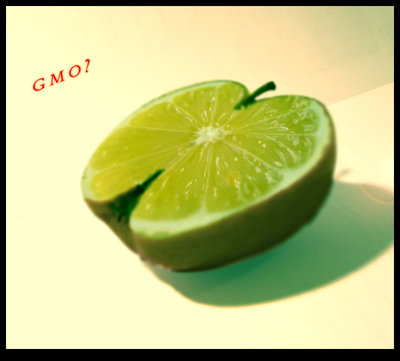
Genetically modified organisms (GMOs) or also know as Genetically Modified Foods, are a hot and juicy subject at the moment and rightfully so. Talk of GMO is spreading through health-conscious communities like wildfire. Unfortunately, the mainstream media has mostly ignored the rising outrage over GMOs, primarily because large corporations, such as Monsanto, are canoodling with the government and media elite of this country. In other words, there is major money involved in keeping the “right” people hush-hush about the effects of GMOs. Now it’s time to get a little Modern Monk smackdown on what you should know about genetically modified foods.
What are GMOs?
A genetically modified organism (GMO) is created by altering that organism’s genes through laboratory-based manipulation. GMO food specifically refers to plant or meat products that have been altered with genes from other organisms in order to create a product resistant to nature’s elements, thus increasing yields.
So why are farmers using GMO seeds?
GMO foods are often created to produce resistance to pesticides, frost, disease, and other hazards that reduce production and efficiency. As a result, produce farmers are expected to have an increased yield of a hardier crop. Let’s take a look at an example. Scientists have found a way to extract the gene that allows arctic fish to withstand cold temperatures and restructured the DNA of tomatoes to include this gene, allowing tomatoes to be grown during the winter months.
Potential health effects
In short, there are major health concerns, including possible allergic reactions to new proteins, increased pesticide exposure, and antibiotic resistance. In order for the new gene to enter the existing DNA of a seed, the DNA must be given a virus to break down the structure and allow for a new strand to enter. Therefore, it is going against the natural order of life (the seed) and knowingly harming our health with viruses.
Should you be concerned?
Hell yeah!
GMO foods are becoming increasingly more common in local produce and meat departments, and many prepackaged foods are produced using GMO products. In the United States, labeling of products containing GMOs is not required, so avoidance can be very difficult. In fact, the largest organic grocer, Whole Foods, knowingly promotes non-GMO products while carrying thousands of GMO products for consumers to purchase. Kudos to the European Union, who consciously took a stance against the production and sale of GMO products in their countries.
Do something.
As my favorite author (and geek crush), Michael Pollan, says, “Vote with your fork.” We have the power of the masses. We must join together for the common goal of protecting our brothers and sisters on this planet. GMO farming wreaks havoc on our soil, puts local farmers out of business, and imposes major health challenges.
Here are minor changes you can make that make a humongous difference in changing our agricultural practices.
- Purchase in-season local produce.
- Avoid packaged, processed food.
- Eat at home more often, or choose conscious restaurants such as the ones listed here.
- Get educated. This topic deserves your attention. The more you know, the more you can do to spread the word and make better decisions for our environment.
Related posts:
 Become a pH Gangsta: Healthy Living through your pH
 Want to be on a Plant Diet but Don’t Know What to Eat?: 5 tips for kicking food boredom in the butt
 Paris by Vegetarian Mouth
 Finding your Magic “Juice”
 Throw Out Your Resolution List: A Gentle Approach to the New Year
 She Keeps Giving without Asking for Anything in Return